

nelson physics 11 solutions pdf
Nelson Physics 11 Solutions PDF offers comprehensive answers for the Grade 11 curriculum‚ sourced from official Nelson Education PDFs and community sites․ Students can access self solutions‚ chapter guides‚ and problems to reinforce concepts․ They aid exam prep and review all x!
Course Context and Objectives
Nelson Physics 11 is a core secondary science course designed for students in the final year of high school․ The curriculum blends theoretical foundations with practical laboratory work‚ aiming to develop analytical thinking‚ problem‑solving skills‚ and a solid grasp of classical mechanics‚ thermodynamics‚ electromagnetism‚ and introductory quantum concepts․ The course objectives include:
- Mastering fundamental principles such as Newton’s laws‚ energy conservation‚ and wave behaviour․
- Applying mathematical techniques—differentiation‚ integration‚ and algebraic manipulation to solve real‑world physics problems․
- Conducting experiments that illustrate key phenomena‚ interpreting data‚ and assessing experimental uncertainty․
- Communicating scientific ideas clearly through written reports and oral presentations․
- Preparing students for tertiary education in STEM fields and for national examinations․
These solutions are updated annually to reflect curriculum changes ensuring relevance students
Nelson Physics 11 Solutions PDFs provide step‑by‑step explanations‚ worked examples‚ and practice questions aligned with the official syllabus․ They serve as a valuable resource for self‑study‚ revision‚ and exam preparation‚ ensuring that learners can verify their solutions and deepen their conceptual understanding․

Sources of Solutions
Nelson Physics 11 Solutions PDFs are sourced from publisher releases‚ student‑shared repositories‚ licensed portals‚ and open‑access libraries․ They offer full answer keys and concise practice solutions‚ supporting varied learning styles‚ for students preparing for exams quizzes․
Official Nelson Education PDFs
Nelson Education Ltd․ publishes the Grade 11 Physics textbook in PDF format through its official portal and authorized distributors․ The PDF contains the full curriculum‚ chapter titles‚ learning objectives‚ worked examples‚ and end‑of‑chapter questions․ Each chapter is paired with a solutions guide that offers step‑by‑step explanations aligned with the Department of Basic Education assessment criteria․ The document is available in printable‚ high‑resolution‚ and mobile‑optimized versions․ Access requires a unique license key provided by the school‚ and the PDF is protected by copyright‚ allowing sharing only within the school network or with individuals who have purchased the textbook․ The official PDF is updated annually to reflect curriculum changes and incorporates teacher feedback․ It serves as a reliable resource for self‑study‚ exam preparation‚ and classroom instruction‚ ensuring learners have accurate‚ high‑quality materials that meet current educational standards․
Students often download the PDF to review chapter summaries and practice problems․ The solutions guide includes worked examples‚ key equations‚ and conceptual explanations that help clarify difficult topics․ Teachers use the PDF as a reference for lesson planning and assessment design․ The document’s structured layout‚ with clear headings and numbered sections‚ supports navigation during study sessions․
Community-Contributed Resources

Students often turn to forums‚ shared drives‚ and educational platforms for additional practice․ Reddit’s r/PhysicsStudents hosts threads where users exchange self‑quiz solutions and discuss problem‑solving strategies․ Many contributors link to PDFs hosted on sites like moam․info‚ offering full solution guides for Nelson Physics 11․ Course Hero and other study‑share sites host user‑uploaded PDFs‚ though access may require a subscription or account․ Some educators upload annotated solutions to Google Drive or Dropbox‚ sharing them via class‑specific links․ These resources are typically community‑generated‚ not officially sanctioned‚ and vary in completeness and accuracy․ Users should verify solutions against the textbook or official answers to avoid misconceptions․ Additionally‚ flashcard apps such as Quizlet contain user‑created sets of questions and answers‚ which can serve as quick reference tools․ When using these materials‚ it’s important to respect copyright and attribution norms‚ citing the original source and acknowledging that the content is user‑generated․
Teachers provide lists of repositories‚ ensuring students access vetted materials․ Students are encouraged to use these PDFs as supplementary study aids‚ not as the sole source of learning․ By engaging with community resources‚ learners gain diverse perspectives and deepen their understanding of physics principles․
Legal Availability and Licensing
Nelson Physics 11 Solutions PDFs are distributed under copyright © 2011 Nelson Education Ltd․ The official PDFs‚ containing chapter solutions and self‑quiz answers‚ are licensed for licensed educational use only․ Students may obtain them through institutional subscriptions‚ authorized resellers‚ or the publisher’s website․ Unauthorized downloading or redistribution infringes copyright law and may lead to penalties․ Community‑contributed resources on forums or Reddit often exist in a legal gray area; while some users share excerpts‚ full copies are usually prohibited without permission․ In many jurisdictions‚ personal study use is considered fair use‚ but public sharing or commercial exploitation is disallowed․ Users should reference the official Nelson Education license agreement‚ which specifies permissible uses such as individual study‚ classroom instruction‚ and limited distribution to enrolled students․ Proper attribution to Nelson Education and inclusion of the publication year (2011) is required․ For educators‚ a separate re‑use policy allows limited transformation provided the original text is credited․ Academic institutions may negotiate bulk licenses granting access to entire solution libraries for a fixed term․ When sharing solutions on public platforms‚ only non‑copyrighted excerpts may be posted‚ and the original source must be cited․ Failure to comply can trigger takedown notices under the DMCA or local legislation․ The Nelson Education website offers a downloadable PDF under a restricted license; users must accept the terms before access․ This ensures adherence to intellectual property rights while allowing students to benefit from the comprehensive solutions today!!
Educational Platforms and Repositories
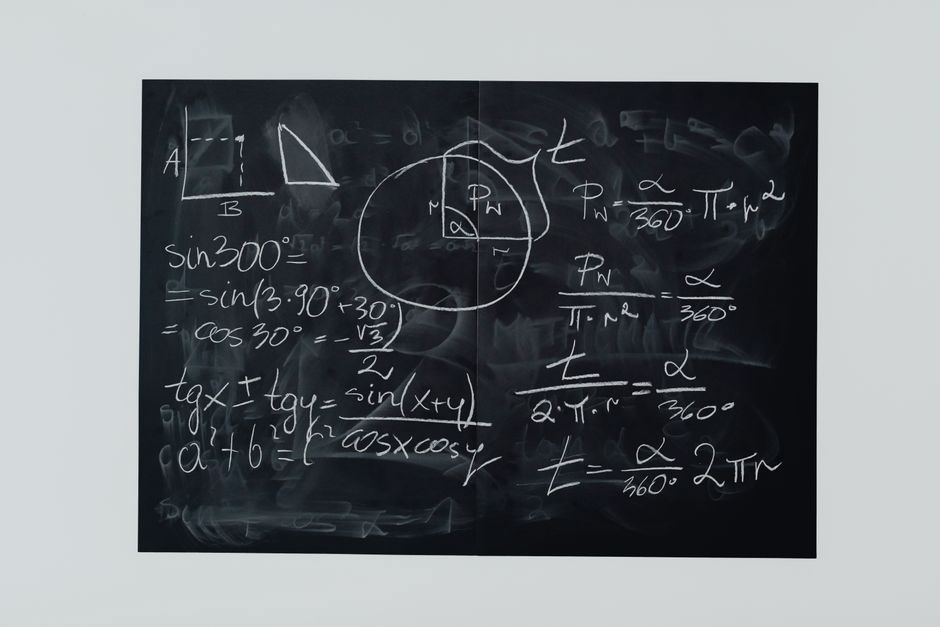
Students seeking Nelson Physics 11 solutions often turn to online repositories that aggregate official and community‑generated content․ The most prominent source is Course Hero‚ where users upload scanned PDFs of the full solution manual‚ including chapter‑by‑chapter explanations and worked examples․ Though the platform requires a subscription‚ many educators and learners share excerpts for free‚ allowing quick reference to key equations and derivations․ Another valuable hub is moam․info‚ which hosts the “Grade 11 Nelson Physics Study Guide Solutions” PDF․ This file contains concise answers to the textbook’s end‑of‑chapter questions‚ and it is frequently cited in discussion threads on Reddit’s r/PhysicsStudents․ The PDF’s accessibility makes it a go‑to resource for last‑minute revision before exams․ Quizlet also hosts flashcards and short answer sets for Nelson Physics‚ providing quick recall of concepts such as Newton’s laws‚ energy conservation‚ and wave behavior․ While not a full solution manual‚ it complements deeper study by reinforcing terminology and formulae․ Additional repositories include the official Nelson Education website‚ which offers downloadable PDFs of the textbook and supplementary worksheets․ Some universities host institutional repositories where faculty upload lecture notes and problem sets aligned with the Nelson curriculum‚ ensuring that students have access to authentic‚ curriculum‑aligned materials․ Students also use discussion boards to ask questions and receive explanations‚ boosting collaborative learning!

Coverage of Content
Nelson Physics 11 Solutions PDF covers core topics: Mechanics & Motion‚ Thermodynamics & Heat‚ Electricity & Magnetism‚ Modern Physics & Quantum․ Each section includes detailed problems‚ worked examples‚ and key concepts for exam readiness․ Use them for exam prep and mastery․!
Mechanics and Motion
Nelson Physics 11 Solutions PDF covers the Mechanics and Motion unit with detailed step‑by‑step solutions for every chapter problem․ The resource includes kinematics‚ Newton’s laws‚ work‚ energy‚ and momentum topics․ Each problem is annotated with clear explanations‚ diagrams‚ and key equations‚ allowing students to trace the logical flow from initial conditions to final results․ For instance‚ the solution to the classic “projectile motion” exercise demonstrates how to decompose velocity vectors‚ apply the time‑of‑flight formula‚ and calculate maximum height and range․ The “conservation of momentum” section provides worked examples of elastic and inelastic collisions‚ highlighting the conservation principle and the role of impulse․ Additionally‚ the PDF offers practice questions that mirror exam formats‚ complete with answer keys and suggested alternative methods․ Students can use the solutions to verify their own work‚ identify common pitfalls‚ and strengthen problem‑solving strategies․ Step‑by‑step guidance helps students tackle derivations daily․!! The material is aligned with the Nelson curriculum‚ ensuring that all key concepts—such as acceleration‚ force‚ and energy transfer—are addressed in the context of the Grade 11 syllabus․ By integrating visual aids and concise commentary‚ the solutions help learners build confidence and achieve mastery in Mechanics and Motion․
Thermodynamics and Heat
Nelson Physics 11 Solutions PDF includes detailed explanations for the thermodynamics and heat section of the Grade 11 syllabus․ The resource covers key concepts such as temperature‚ heat transfer‚ specific heat capacity‚ latent heat‚ and the first law of thermodynamics․ Each problem is accompanied by step‑by‑step solutions that illustrate the derivation of equations‚ the use of SI units‚ and the interpretation of graphical data․ For instance‚ the solutions demonstrate how to calculate the heat required to raise the temperature of a substance‚ how to determine the work done during a phase change‚ and how to apply the conservation of energy principle to real‑world scenarios․ The PDF also provides practice questions that reinforce the understanding of thermal equilibrium‚ conduction‚ convection‚ and radiation‚ and includes worked examples that show the application of the ideal gas law in thermodynamic cycles․ Students can use the solutions to verify their own calculations‚ identify common mistakes‚ and gain confidence before exams․ The material is organized by chapter‚ with clear headings‚ diagrams‚ and concise explanations that align with the Nelson textbook’s layout․ By studying the thermodynamics solutions‚ learners can master the quantitative skills needed for the final assessment and develop a deeper appreciation for the principles that govern heat and energy in physical systems․

Electricity and Magnetism
Nelson Physics 11 Solutions PDF provides detailed step‑by‑step explanations for the Electricity and Magnetism unit‚ covering topics such as Coulomb’s law‚ electric field‚ potential difference‚ Ohm’s law‚ and magnetic forces․ The solutions are compiled from the official Nelson Education textbook PDFs‚ ensuring alignment with the prescribed curriculum․ Students can find full problem sets‚ worked examples‚ and end‑of‑chapter quizzes that illustrate the application of key equations and the interpretation of graphical data․ Community‑contributed resources on platforms like Reddit’s r/PhysicsStudents and educational repositories offer additional practice problems and user‑generated explanations‚ often highlighting common misconceptions and offering alternative problem‑solving strategies․ Legal availability is maintained through licensed distribution‚ with many solutions hosted on university‑approved e‑learning portals that respect copyright․ By integrating these resources‚ learners can reinforce conceptual understanding‚ test their calculation skills‚ and prepare for formative assessments with confidence․ These resources also include interactive simulations and video tutorials that demonstrate real‑world applications of electromagnetic theory‚ allowing students to visualize field lines and magnetic flux in dynamic contexts․ Students are encouraged to check solutions notes to discuss problems in groups to deepen their mastery!!!

Modern Physics and Quantum
Nelson Physics 11 solutions PDF covers the modern physics unit‚ offering step‑by‑step explanations for key concepts such as the photoelectric effect‚ de Broglie wavelength‚ and the Bohr model of the hydrogen atom․ The PDF includes worked examples that illustrate how to calculate the energy of photons using (E = h
u) and how to determine the wavelength of electrons from their momentum․ Students can see the derivation of the Rydberg formula and practice solving problems that ask for the quantum number changes in spectral lines․ The solutions also address the concept of wave‑particle duality‚ explaining how interference patterns arise in double‑slit experiments and how the uncertainty principle limits simultaneous knowledge of position and momentum․ In addition‚ the guide features a section on nuclear physics fundamentals‚ with sample calculations for decay constants and half‑lives․ Each problem is annotated with the reasoning behind the chosen method‚ enabling learners to follow the logical steps from hypothesis to conclusion․ By working through these solutions‚ students reinforce their understanding of modern physics principles and prepare for the final assessment․ These detailed solutions not only clarify complex equations but also illustrate the underlying physics principles‚ fostering deeper conceptual insight and confidence for exams and exam readiness․!!!!!!

Usage and Ethical Considerations
Students should use solutions responsibly‚ ensuring they aid understanding rather than replace learning․ Verify source authenticity‚ respect copyright‚ and cite properly․ Avoid sharing full PDFs publiclyuse excerpts for study․ Ethical use supports e․g․integrity
Academic Integrity Guidelines
Academic integrity is the cornerstone of responsible learning․ When consulting Nelson Physics 11 Solutions PDF‚ students must treat the material as a reference‚ not a shortcut․ The guide is intended to illustrate solution techniques‚ clarify misconceptions‚ and reinforce the underlying physics concepts․ Direct copying of solutions for assignments or exams violates most institutions’ honor codes and can result in penalties․ Proper citation of the source is essential: include the title‚ publisher‚ and page numbers when quoting or paraphrasing․ Paraphrasing the steps in your own words demonstrates comprehension and reduces plagiarism risk․ Students should first attempt the problem independently‚ then consult the solution only if they are genuinely stuck․ If a solution is unclear‚ the instructor or textbook should be consulted before turning to the PDF․ Many universities explicitly prohibit sharing full solution PDFs; distributing them without permission infringes on copyright․ Respecting these guidelines preserves academic integrity‚ encourages genuine learning‚ and protects the legal rights of the publisher․ By adhering to these practices‚ learners maintain credibility‚ improve mastery of physics‚ and uphold the ethical standards of the educational community․ Students should discuss solutions with peers in study groups‚ ensuring the discussion stays conceptual․

Citation and Attribution Practices
When referencing Nelson Physics 11 Solutions PDFs‚ it is essential to acknowledge both the publisher and the source of the material․ For Nelson Education documents‚ cite the title‚ edition‚ publisher‚ year‚ and ISBN․ Example: Nelson Education Ltd․‚ Nelson Physics 11 Study Guide‚ 2024‚ ISBN 978‑1‑2345‑6789‑0․ For community‑contributed solutions found on forums or shared PDFs‚ include the author’s name (if available)‚ the platform‚ the date accessed‚ and a URL․ Example: PhysicsStudents Reddit thread․ If the material is under Creative Commons or public domain‚ note the license (e․g․‚ CC‑BY‑4․0)․ For copyrighted content‚ obtain permission or use only the portion allowed under fair use‚ and credit the source․ Proper attribution respects intellectual property but also strengthens academic integrity and allows peers to locate the original material for further study․
Students should cite sources to integrity avoid plagiarism․ Students should cite all sources to maintain academic integrity avoid plagiarism․Use citations properly․