
manual handling for aged care
Manual handling within aged care presents significant challenges, directly impacting staff wellbeing and resident safety․ It’s a crucial aspect
of providing care, frequently linked to musculoskeletal disorders (MSDs) among workers․ Understanding and mitigating these risks is paramount for
sustainable, high-quality care delivery, and a safe working environment․
Effective strategies, including environmental interventions, are vital to reduce the incidence of MSDs and enhance mobility for both caregivers
and those receiving care․ Prioritizing safe practices is essential for ethical and legal compliance within the aged care sector․
The Importance of Safe Manual Handling
Safe manual handling practices are fundamentally important in aged care, extending beyond mere compliance with regulations․ Prioritizing safety directly safeguards the health and wellbeing of care workers, who are at a demonstrably high risk of developing musculoskeletal disorders (MSDs) due to the physically demanding nature of their roles․
Reducing the incidence of MSDs translates to decreased staff absenteeism, lower healthcare costs associated with injury treatment, and improved staff retention rates – all critical for maintaining consistent, high-quality care․ Furthermore, safe handling techniques minimize the risk of injury to residents during transfers and repositioning, enhancing their dignity and comfort․
A proactive approach to manual handling fosters a culture of safety, empowering staff to identify and address potential hazards․ This commitment to safety not only protects individuals but also contributes to a more sustainable and ethical aged care system, ensuring both caregivers and residents thrive in a secure environment․
Prevalence of Musculoskeletal Disorders (MSDs) in Aged Care Workers
Musculoskeletal Disorders (MSDs) represent a significant occupational health concern within the aged care sector․ Workers frequently engage in tasks involving repetitive movements, awkward postures, and the manual handling of residents, leading to a disproportionately high incidence of MSDs compared to other industries․ Back injuries, sprains, strains, and chronic pain are commonly reported․
Studies consistently demonstrate a strong correlation between manual handling tasks and the development of MSDs among aged care staff․ The physical demands of assisting with transfers, repositioning, and providing mobility support contribute substantially to this prevalence․ Factors like insufficient training, inadequate assistive devices, and poor workplace design exacerbate the risk․
Addressing this issue is crucial not only for the wellbeing of care workers but also for the sustainability of the aged care system․ Reducing MSDs minimizes staff turnover, improves the quality of care, and lowers associated healthcare costs․ Proactive interventions are essential to protect this vital workforce․

Legal and Ethical Considerations
Legal frameworks and ethical principles underpin safe manual handling practices in aged care․ Employers have a legal duty of care to provide a safe working environment, including adequate training, equipment, and risk assessments to minimize harm to staff․ Failure to do so can result in legal repercussions, including fines and compensation claims․
Ethically, aged care providers are obligated to protect the dignity and wellbeing of both residents and staff․ Manual handling practices must prioritize respect, minimizing physical strain and potential injury․ This includes promoting a culture of open communication where workers feel empowered to report unsafe conditions without fear of reprisal․
Furthermore, informed consent is vital when assisting residents with mobility․ Respecting resident autonomy and involving them in decisions regarding their care are fundamental ethical considerations․ Adherence to these legal and ethical standards is paramount for responsible and compassionate aged care․
Understanding the Risks
Assessing risks associated with manual handling is vital in aged care, as these tasks frequently contribute to musculoskeletal disorders among caregivers․
Common Manual Handling Tasks in Aged Care
Aged care workers routinely perform a variety of physically demanding tasks involving manual handling․ These commonly include assisting residents with transfers – moving between beds, chairs, toilets, and wheelchairs․ Lifting and repositioning residents in bed to prevent pressure injuries is also frequent, as is assisting with ambulation and walking․
Furthermore, caregivers provide support during activities of daily living, such as dressing, bathing, and toileting, all of which require significant physical exertion․ Tasks like pushing wheelchairs, assisting with hoist operations, and supporting residents during standing or sitting also contribute to the overall physical demands․ The repetitive nature of these tasks, combined with the often unpredictable movements of residents, creates a high-risk environment for musculoskeletal strain and injury․
Understanding the specific demands of each task is crucial for implementing appropriate safety measures and minimizing the risk of harm to both caregivers and residents;

Risk Factors Contributing to MSDs
Musculoskeletal Disorders (MSDs) in aged care are rarely caused by a single factor, but rather a combination of elements․ Repetitive movements, sustained awkward postures, and forceful exertions are primary contributors․ The weight and size of the resident being handled significantly increase risk, as does the frequency and duration of manual handling tasks․
Insufficient training and a lack of awareness regarding safe handling techniques exacerbate these risks․ Poorly designed work environments, including inadequate space or unsuitable furniture, also play a crucial role․ Limited use of assistive devices, coupled with time pressures and staffing shortages, often force workers to rely on manual handling even when safer alternatives exist․
These combined factors create a heightened susceptibility to MSDs, impacting worker wellbeing and potentially compromising the quality of care provided․
Individual Risk Factors (Worker-Related)
Worker-related risk factors significantly influence susceptibility to MSDs in aged care․ Pre-existing musculoskeletal conditions, such as back pain or arthritis, increase vulnerability․ Physical fitness levels, including strength and endurance, play a crucial role; lower fitness correlates with higher risk․ Age is also a factor, with older workers potentially experiencing reduced physical capacity․
Psychosocial factors, like stress and job dissatisfaction, can contribute to muscle tension and increased risk of injury․ Poor body mechanics, often stemming from inadequate training or ingrained habits, are a major concern; Individual work practices, such as rushing or improper technique, further elevate risk․
Finally, a worker’s height and weight can influence their ability to safely perform manual handling tasks, impacting leverage and stability․
Environmental Risk Factors
Environmental factors within aged care facilities profoundly impact manual handling safety․ Inadequate room layout, with obstacles and limited space, forces awkward postures and increases strain․ Poor flooring surfaces – slippery or uneven – heighten the risk of slips, trips, and falls during transfers․ Insufficient or improperly maintained assistive equipment, like hoists or transfer boards, compromises safety․
Furniture height and placement are critical; chairs that are too low or beds that are difficult to access necessitate greater physical exertion․ Lack of appropriate seating support for residents during activities contributes to instability and increased handling demands․ Poor lighting can obscure hazards and impede safe movement․
Finally, cluttered environments and inadequate storage solutions contribute to increased manual handling tasks and potential injuries․
Principles of Safe Manual Handling
Safe manual handling prioritizes minimizing risks to both caregiver and resident․ Core principles include maintaining good posture, utilizing proper body mechanics, and assessing load weight․
The CORE Principles: Comfort, Observation, Reach, and Environment
The CORE principles – Comfort, Observation, Reach, and Environment – form a foundational framework for safe manual handling practices in aged care settings․ Comfort emphasizes the caregiver’s posture and body mechanics, ensuring they are not straining or overexerting themselves during tasks․ Observation involves a thorough assessment of the resident’s capabilities, the task requirements, and potential hazards within the environment․
Reach focuses on minimizing excessive reaching or stretching, which can disrupt balance and increase the risk of injury․ Keeping the load close to the body is crucial․ Finally, Environment highlights the importance of optimizing the surroundings to reduce obstacles, ensure adequate space, and utilize assistive devices effectively․ A well-organized and clutter-free environment significantly contributes to safer manual handling procedures, protecting both staff and residents․
Maintaining a Stable Base of Support
Maintaining a stable base of support is paramount when performing manual handling tasks in aged care․ This involves positioning the feet shoulder-width apart, with one foot slightly ahead of the other for balanced weight distribution․ A wider stance provides greater stability and reduces the risk of losing balance during movements․
Caregivers should ensure their feet are firmly planted on the ground, avoiding unstable surfaces or reaching while supporting a resident․ Bending at the knees and hips, rather than the back, helps maintain a low center of gravity and strengthens the base․ Engaging core muscles further enhances stability․ Regularly assessing and adjusting the base of support throughout the task is crucial for preventing strains and injuries, ensuring both caregiver and resident safety․
Keeping the Load Close to the Body
Keeping the load close to the body is a fundamental principle of safe manual handling in aged care․ Holding a resident or object further away significantly increases the strain on the back and other muscles․ By minimizing the distance between the load and the body’s center of gravity, leverage is improved, and the required effort is reduced․
This technique involves hugging the resident closely during transfers or support, rather than extending arms outwards․ When lifting objects, bring them as near to the chest as possible․ Maintaining a close proximity also enhances control and reduces the risk of dropping the load․ Regularly reminding caregivers of this principle and providing practical demonstrations during training are essential for fostering safe work habits and preventing musculoskeletal injuries․
Avoiding Twisting and Bending
Avoiding twisting and bending at the waist is critical for protecting the spine during manual handling tasks in aged care․ These movements place immense stress on the vertebral discs and supporting muscles, significantly increasing the risk of back injuries․ Instead of twisting, caregivers should move their feet to change direction, maintaining a neutral spine throughout the process․
Bending should be minimized by bending the knees and keeping the back straight․ This utilizes the stronger leg muscles for lifting and support․ Proper training should emphasize the importance of pivoting rather than twisting, and squatting instead of bending․ Regularly reinforcing these techniques and providing feedback during practical sessions will help embed safe manual handling practices and reduce the incidence of MSDs among aged care workers․

Specific Techniques for Common Tasks
Effective techniques are vital for safe resident handling, including transfers, repositioning, and assisting with mobility․ Proper body mechanics and
assistive devices minimize strain and promote both caregiver and resident wellbeing․

Assisting with Transfers (Bed to Chair, Chair to Toilet)
Safe transfers require careful planning and execution, prioritizing resident comfort and minimizing risk․ Before initiating any transfer, assess the resident’s capabilities,
mobility limitations, and any potential pain points․ Communicate clearly with the resident throughout the process, explaining each step․
When moving from bed to chair, ensure the bed is at the appropriate height and the chair is positioned close․ Utilize transfer aids like slide sheets to reduce friction and strain․
For chair-to-toilet transfers, confirm the toilet is accessible and stable․ Encourage resident participation whenever possible, promoting independence․
Maintain a wide base of support, keep the load close to your body, and avoid twisting․ If a mechanical lift is available and appropriate, utilize it to reduce manual handling demands․
Always document the transfer process and any challenges encountered, ensuring continuity of care and identifying areas for improvement․
Lifting and Repositioning Residents
Lifting and repositioning residents are high-risk manual handling tasks demanding meticulous technique․ Prior assessment is crucial – evaluate the resident’s weight-bearing capacity,
range of motion, and any existing discomfort․ Employ assistive devices whenever feasible, such as hoists or slide sheets, to minimize strain on caregivers․
When lifting, maintain a stable base, bending your knees and keeping your back straight․ Avoid jerky movements and maintain a firm grip․ Repositioning in bed requires careful planning;
use pillows for support and encourage the resident to assist as much as possible․ Regular repositioning prevents pressure ulcers and promotes circulation․
Team lifting is often necessary for heavier residents․ Clear communication and synchronized movements are essential․ Document all lifting and repositioning activities, noting any difficulties
or changes in the resident’s condition․ Prioritize resident dignity and comfort throughout the process․
Assisting with Walking and Mobility
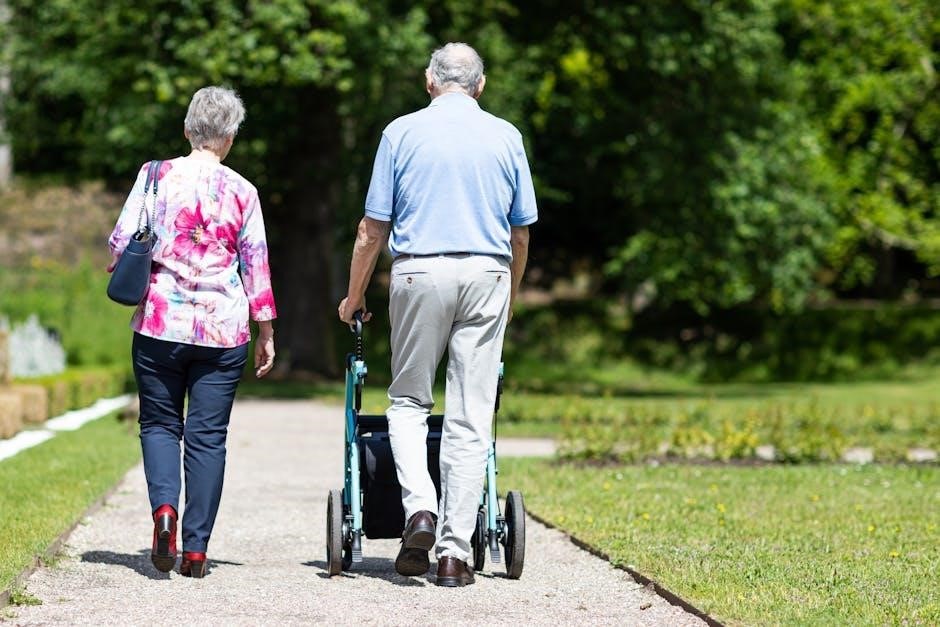
Assisting residents with walking requires careful observation and appropriate support․ Before assisting, assess the resident’s balance, gait, and any assistive devices they use – walkers, canes, or wheelchairs․ Ensure the pathway is clear of obstacles and well-lit to prevent falls․
When providing support, stand slightly to the side and offer an elbow or arm for stability, avoiding a full underarm grip․ Walk at the resident’s pace, and encourage them to maintain their independence as much as possible․ Be prepared to offer assistance if they stumble or lose their balance․
For residents with limited mobility, encourage regular movement and range-of-motion exercises․ Proper footwear is essential, and consider using a gait belt for added security․ Document any changes in the resident’s mobility or any incidents that occur during ambulation․
Providing Support During Activities of Daily Living
Assisting residents with activities of daily living (ADLs) – such as dressing, bathing, and toileting – often involves significant manual handling․ Prioritize resident dignity and independence, offering assistance only when needed․ Communicate clearly and explain each step of the process․
When assisting with dressing, support the resident’s movements and avoid pulling or rushing․ For bathing, ensure a safe and stable environment, utilizing grab rails and non-slip mats․ Assist with toileting while respecting privacy and providing appropriate support for transfers․
Remember to use proper body mechanics throughout all ADL assistance․ Encourage residents to participate as much as possible, promoting their physical and emotional wellbeing․ Document any difficulties or changes in the resident’s ability to perform ADLs․
Assistive Devices and Equipment
Utilizing assistive devices, like hoists, slide sheets, and transfer boards, significantly reduces manual handling risks for both caregivers and residents, promoting safety․
Types of Hoists and Lifting Aids
Various hoist types cater to diverse resident needs and care settings․ Mobile hoists, often wheeled, offer flexibility for transfers between bed, chair, and toilet, ideal for facilities with varying layouts․ Overhead hoists, permanently installed, are suitable for high-dependency areas, providing secure and efficient lifting with minimal manual effort․
Stand-assist hoists support residents with some weight-bearing capacity, aiding in standing and walking․ Hydraulic lifts, though requiring more physical exertion, are useful for specific situations․ Selecting the appropriate hoist depends on the resident’s weight, mobility, and the transfer environment․
Proper sling selection is crucial for comfort and safety; different sling types accommodate varying needs․ Regular inspection and maintenance of all lifting aids are essential to ensure functionality and prevent accidents․ Training on correct hoist operation is paramount for caregiver competency and resident wellbeing․
Using Slide Sheets and Transfer Boards
Slide sheets, low-friction fabrics placed under residents, significantly reduce friction during transfers, minimizing shear force and caregiver strain․ They are particularly useful for repositioning in bed or assisting with lateral transfers․ Transfer boards, rigid or flexible, bridge the gap between two surfaces – like a bed and wheelchair – allowing residents to slide across with minimal lifting․
Correct technique is vital: ensure the sheet or board is correctly positioned and that the resident actively participates where possible․ Assess the resident’s skin integrity before and after use to prevent pressure injuries․
Combining slide sheets and transfer boards can further reduce manual handling demands․ Regular inspection for tears or damage is crucial․ Proper training on their safe and effective use is essential for all care staff, promoting both resident safety and caregiver wellbeing;
Wheelchair Management and Safe Transfers
Wheelchair transfers require careful planning and execution to prevent injuries to both the resident and caregiver․ Before any transfer, assess the resident’s capabilities, the wheelchair’s weight, and the surrounding environment for obstacles․ Ensure the wheelchair brakes are locked and footrests are removed․
Safe techniques involve positioning the wheelchair close to the transfer surface, using appropriate assistive devices like transfer boards or hoists when needed, and communicating clearly with the resident throughout the process․ Avoid twisting or reaching during transfers․
Regular wheelchair maintenance – checking brakes, tires, and frame integrity – is crucial for safe mobility․ Staff training should cover proper wheelchair propulsion techniques and safe transfer procedures, emphasizing resident dignity and minimizing manual handling effort․

Environmental Interventions for Improved Mobility
Optimizing spaces through strategic furniture placement and obstacle removal significantly enhances mobility and reduces manual handling strain for both residents and caregivers․
Optimizing Room Layout and Furniture Placement
Strategic room design is fundamental to minimizing manual handling risks in aged care settings․ Careful consideration of furniture placement can dramatically improve accessibility and reduce the physical demands on caregivers․ Adequate space around beds, chairs, and other frequently used items allows for easier maneuvering during transfers and assistance with mobility․
Avoid overcrowding, ensuring clear pathways free from obstructions․ Furniture height should be appropriate for residents, facilitating safe sit-to-stand transitions․ Adjustable beds and chairs are beneficial, allowing for personalized support and reducing the need for excessive lifting or bending by staff․
Furthermore, consider the placement of frequently used items – call bells, personal belongings – within easy reach to minimize stretching and twisting․ A well-organized environment promotes independence and reduces the reliance on manual assistance, ultimately contributing to a safer and more efficient care setting․
Reducing Obstacles and Trip Hazards
Maintaining clear and unobstructed pathways is paramount for safe manual handling in aged care facilities․ Trip hazards significantly increase the risk of falls for both residents and staff, potentially leading to injuries and exacerbating existing musculoskeletal issues․ Regularly inspect all areas for potential obstacles, including loose rugs, trailing cords, and misplaced equipment․
Implement a system for prompt removal or securement of these hazards․ Ensure adequate lighting throughout the facility, particularly in hallways and bedrooms, to improve visibility․ Consider using non-slip flooring materials to reduce the risk of slips and falls, especially in wet areas like bathrooms․
Regular audits and proactive hazard identification are crucial․ A commitment to a clutter-free environment directly supports safer manual handling practices and promotes a more secure and dignified experience for residents․
Importance of Appropriate Seating
Selecting and utilizing appropriate seating is a critical, yet often overlooked, aspect of safe manual handling in aged care․ Chairs that are too low, too high, or lack adequate support can significantly increase the strain on caregivers during transfers and repositioning․ The ideal chair height allows residents to easily sit and stand with minimal assistance, reducing the physical demands on staff․
Consider chairs with armrests to provide additional support and stability during transfers․ Ensure chairs are stable and have a wide base to prevent tipping․ Regularly assess residents’ seating needs and adjust furniture accordingly․
Appropriate seating not only minimizes the risk of MSDs for caregivers but also enhances resident comfort, independence, and dignity․ Prioritizing ergonomic seating is a proactive step towards a safer and more supportive care environment․
Training and Education
Comprehensive training is essential for aged care staff, covering safe manual handling techniques and equipment usage․ Mandatory programs and ongoing development
ensure competency and promote a culture of safety․
Mandatory Training Requirements
Statutory regulations and aged care standards mandate comprehensive manual handling training for all staff involved in direct resident care․ These requirements aim to equip workers with the knowledge and skills to minimize risks associated with tasks like transfers, lifting, and repositioning․
Initial training must cover fundamental principles of biomechanics, safe handling techniques, risk assessment procedures, and proper use of assistive devices․ Refresher courses are typically required at regular intervals – often annually – to reinforce best practices and update staff on new guidelines or equipment․
Training programs should include both theoretical components and practical, hands-on sessions, allowing staff to practice techniques under supervision․ Documentation of completed training is crucial for demonstrating compliance and ensuring accountability․ Furthermore, training must address specific resident needs and individualized care plans, promoting person-centered handling approaches․
Ongoing Professional Development
Continuous learning is vital in manual handling within aged care, extending beyond initial mandatory training․ Professional development opportunities should focus on emerging best practices, advancements in assistive technology, and evolving resident care needs․ Workshops, seminars, and online modules can enhance staff competency․
Specialized training in areas like complex transfers, bariatric handling, or neurological conditions can address specific challenges encountered in practice․ Encouraging participation in peer learning and mentorship programs fosters a culture of safety and shared knowledge․
Furthermore, staying updated on relevant research and guidelines ensures that care practices are evidence-based and aligned with current standards․ Investing in ongoing development demonstrates a commitment to staff wellbeing and the delivery of high-quality, safe care for residents, ultimately reducing MSD risks․
Competency Assessment
Regular competency assessment is crucial to verify that aged care workers can safely and effectively apply manual handling techniques․ Assessments should move beyond theoretical knowledge, incorporating practical demonstrations of skills in simulated and real-world scenarios․
Observation checklists, performance evaluations, and scenario-based testing can identify areas where staff excel and where further training is needed․ Assessments must be individualized, considering the worker’s role, experience, and the specific tasks they perform․
Documentation of competency assessments is essential for legal and quality assurance purposes․ Remedial training and re-assessment should be provided to address any identified skill gaps․ A robust competency assessment program ensures consistent application of safe manual handling practices, protecting both staff and residents․