
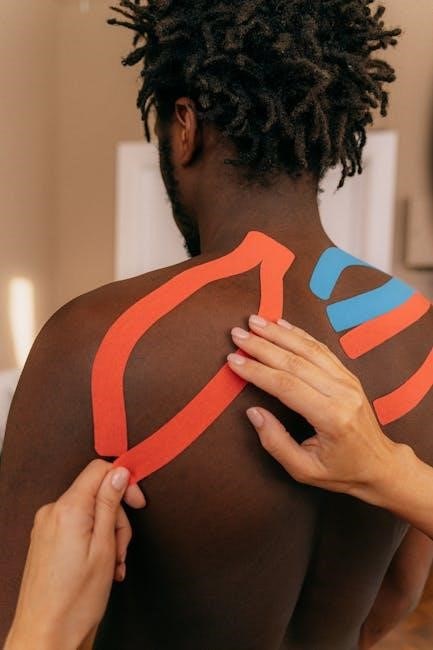
pool exercises for lower back pain pdf
Aquatic therapy offers a gentle, low-impact approach to managing lower back discomfort, utilizing water’s unique properties for effective rehabilitation and sustained wellness․
The buoyancy reduces stress on joints, while resistance aids muscle strengthening, making pool exercises ideal for individuals seeking pain relief and improved mobility․
These exercises, including water walking and underwater squats, can significantly enhance back strength and overall physical function, promoting a healthier lifestyle․
Benefits of Aquatic Therapy
Aquatic therapy presents a multitude of advantages for individuals grappling with lower back pain, stemming from the remarkable properties of water․ The inherent buoyancy significantly diminishes the impact on weight-bearing joints – the spine, hips, and knees – creating an environment where movement becomes less strenuous and more accessible․ This reduced stress allows for a greater range of motion and facilitates exercises that might be too challenging or painful on land․
Furthermore, water provides natural resistance, engaging muscles throughout the body without the need for external weights․ This resistance strengthens core muscles, crucial for supporting the spine and alleviating back pain․ The hydrostatic pressure of the water also aids in reducing swelling and inflammation, contributing to pain management․ Importantly, the warmth of the water can soothe muscles and improve circulation, promoting relaxation and accelerating the healing process․ This holistic approach makes aquatic therapy a highly effective and comfortable option for rehabilitation․
Why Pool Exercises are Effective
Pool exercises stand out as remarkably effective for lower back pain due to the unique physical properties of water․ Buoyancy counteracts gravity, lessening the load on the spine and enabling freer movement, crucial for those with disc issues or spinal stenosis where traction is beneficial․ Water’s resistance, significantly greater than air, provides a natural strengthening component, targeting key muscles like the gluteus maximus, medius, and back extensors – the erector spinae and multifidus – without stressing joints․
This resistance fosters improved muscle activity, as demonstrated in studies, while the warmth of the water eases muscle tension and enhances circulation․ Exercises like hip abduction/adduction and squats become more manageable and impactful․ The reduced pain occurrence during aquatic exercises, often pain-free, allows for consistent participation and faster rehabilitation, promoting long-term back health and improved functionality․
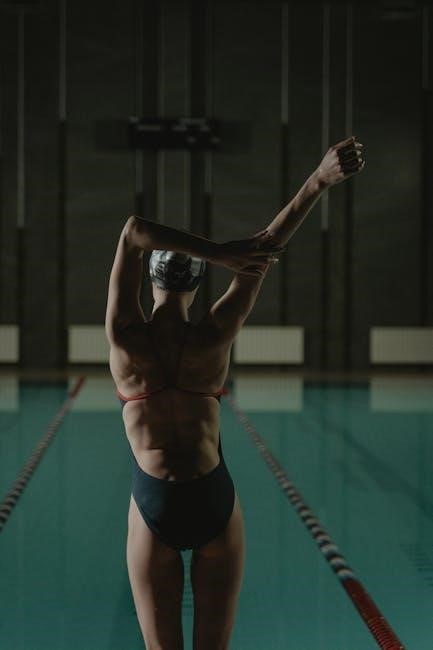
Core Strengthening Exercises in the Pool
Strengthening your core in the pool stabilizes the spine, reducing strain on the lower back through targeted exercises like floating leg movements and abdominal engagement․
Abdominal Exercises: Floating Leg Movements
Floating leg movements are a cornerstone of core strengthening in aquatic therapy, specifically targeting the rectus abdominis and obliques – crucial for lower back support․ Begin by holding onto the pool wall for stability, or use a flotation device if needed․ Lie on your back in the water, ensuring your core is engaged to maintain a neutral spine․
Slowly lift one leg towards the ceiling, keeping it straight, and then lower it back down with control․ Repeat with the other leg․ For increased difficulty, lift both legs simultaneously, maintaining core engagement throughout the movement․ This exercise minimizes spinal compression due to the water’s buoyancy, allowing for effective abdominal work without exacerbating back pain․
Focus on controlled movements rather than speed, and breathe deeply throughout the exercise․ The water provides natural resistance, enhancing muscle activation and promoting core stability․ Remember to maintain proper form to maximize benefits and prevent injury․
Rectus Abdominis and Oblique Engagement
Effective engagement of the rectus abdominis and obliques is paramount for stabilizing the spine and alleviating lower back pain․ Aquatic exercises facilitate this engagement through the water’s resistance, providing a safe and effective environment․ Exercises like floating leg raises directly target these muscle groups, promoting core strength without excessive strain․
To maximize engagement, consciously draw your navel towards your spine throughout each movement․ This activates the deep core muscles, providing essential support․ Incorporate twisting motions, such as bringing your elbow to the opposite knee while floating, to specifically target the obliques․
Maintaining proper form is crucial; avoid arching your back or holding your breath․ The water’s buoyancy assists in maintaining a neutral spine, allowing for focused muscle activation․ Consistent engagement of these muscles contributes to long-term back health and pain reduction․
Back Extension Exercises
Strengthening the back extensors – including the erector spinae and multifidus – is vital for supporting the spine and reducing lower back pain․ Pool exercises offer a unique advantage, allowing for controlled movements with reduced impact․ Gentle back extensions can be performed while holding onto the pool wall for stability․
Focus on slowly extending your back, keeping your core engaged to prevent overextension․ Another effective exercise involves lying face down with arms extended and gently lifting the chest off the water, mimicking a “superman” pose․
Remember to maintain a neutral spine and avoid jerky movements․ The water’s resistance provides a natural challenge, enhancing muscle activation․ Consistent performance of these exercises will contribute to improved posture, increased back strength, and a significant reduction in discomfort․
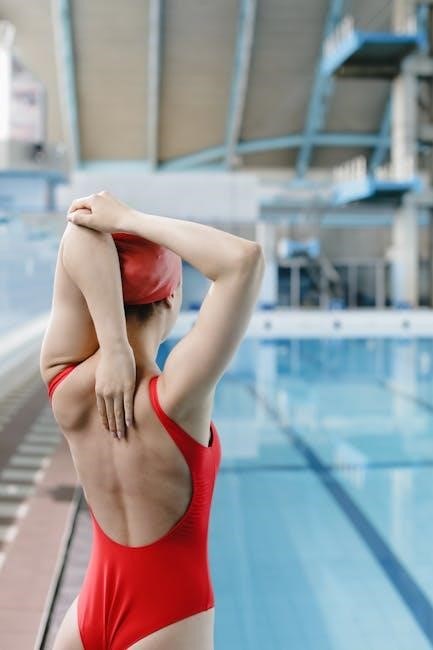
Lower Body Strengthening Exercises
Hip abduction/adduction and flexion/extension exercises effectively target gluteal muscles, while underwater squats build strength throughout the lower body and back․
Hip Abduction and Adduction
Hip abduction and adduction exercises in the pool are remarkably effective for strengthening the gluteus maximus and medius muscles, crucial for stabilizing the lower back and pelvis․ Performing these movements underwater minimizes joint stress, allowing for a greater range of motion and reduced pain․
To execute hip abduction, stand in chest-deep water, holding onto the pool wall for balance if needed․ Slowly move one leg out to the side, keeping it straight, and then return to the starting position․ Repeat on the other side․ For adduction, bring one leg towards the midline of your body, resisting the water’s force, and then return․
Focus on controlled movements and engage your core throughout the exercise․ These exercises not only strengthen key muscle groups but also improve hip mobility, contributing to better posture and reduced lower back strain․ The water’s resistance provides a natural challenge, enhancing muscle activation without excessive impact․
Hip Flexion and Extension
Hip flexion and extension exercises within the aquatic environment provide a low-impact method to strengthen hip flexors and extensors, vital for supporting proper spinal alignment and alleviating lower back pain․ The water’s buoyancy significantly reduces stress on the joints, enabling a fuller range of motion with minimized discomfort․
To perform hip flexion, stand in chest-deep water and lift one knee towards your chest, maintaining a controlled movement․ Slowly lower the leg back down․ For extension, gently move one leg backward, keeping it relatively straight, and then return to the starting position․
Engage your core muscles throughout these exercises to enhance stability and protect your lower back․ These movements improve hip mobility, contributing to better posture and reduced strain․ The water’s resistance naturally intensifies the workout, promoting muscle activation and strength gains․
Underwater Squats for Back Strength
Underwater squats are a highly effective exercise for strengthening the back extensors (erector spinae and multifidus) and building overall body strength, all while minimizing stress on the spine․ The water’s buoyancy counteracts gravity, allowing for a greater range of motion and reduced impact compared to land-based squats․
Begin in chest-deep water and slowly lower your body as if sitting in a chair, keeping your back straight and core engaged․ Maintain a controlled descent and ascent, ensuring your knees track over your toes․ The water provides natural resistance, intensifying the exercise and promoting muscle activation․
Focus on proper form to maximize benefits and prevent injury․ These squats enhance back strength, improve posture, and contribute to a more stable core, ultimately alleviating lower back pain and improving functional movement․
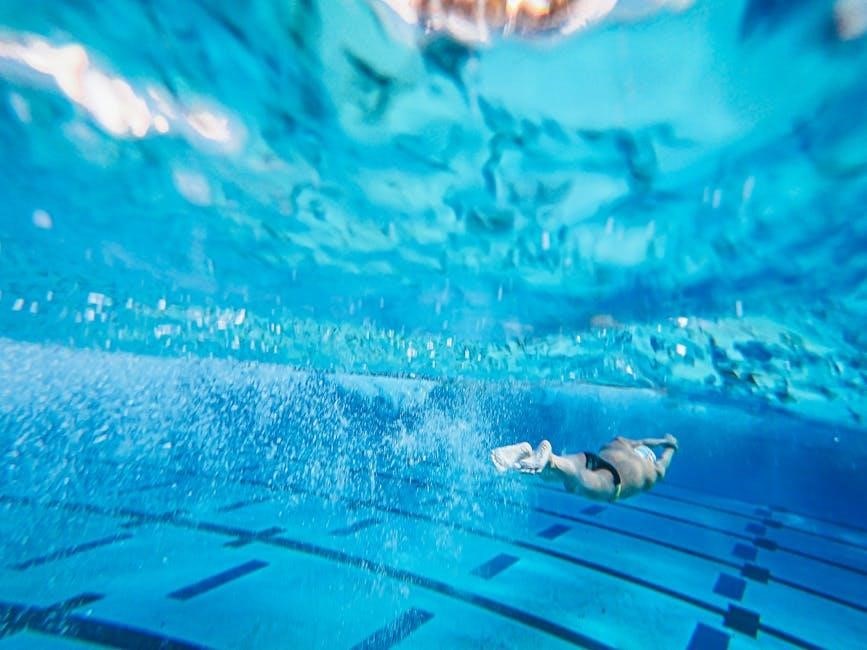
Cardio and Low-Impact Movement
Water walking, pool jogging, and water aerobics provide cardiovascular benefits with minimal spinal stress, easing pain and enhancing overall fitness effectively․
Water Walking for Pain Relief
Water walking is a remarkably accessible and beneficial exercise for individuals experiencing lower back pain, offering a low-impact cardiovascular workout that minimizes stress on the spine and joints․ The buoyancy of the water significantly reduces body weight, alleviating pressure and allowing for a greater range of motion with reduced discomfort․
Begin by walking in chest-deep water, focusing on maintaining good posture and engaging your core muscles․ Gradually increase your walking speed and duration as your strength and tolerance improve․ Vary the intensity by incorporating arm movements or using water resistance by cupping your hands․
This exercise is particularly helpful for those who find traditional walking painful or difficult․ The hydrostatic pressure of the water also aids in reducing swelling and inflammation, further contributing to pain relief․ Consistent water walking can improve cardiovascular health, strengthen back muscles, and enhance overall functional capacity, promoting a more active and pain-free lifestyle․

Pool Jogging: Reducing Impact
Pool jogging presents a fantastic alternative to land-based running, particularly for individuals with lower back pain, as it dramatically minimizes impact forces on the spine, hips, and knees․ The water’s buoyancy supports a significant portion of your body weight, reducing stress and allowing for a more comfortable cardiovascular workout․
Start in chest-deep water and mimic a running motion, lifting your knees and pumping your arms․ Focus on maintaining good form and a controlled pace․ The resistance of the water naturally increases the intensity of the exercise, strengthening core and back muscles without excessive strain․
Gradually increase the duration and intensity as your fitness level improves․ Pool jogging enhances cardiovascular health, improves muscle endurance, and promotes flexibility, all while minimizing the risk of exacerbating back pain․ It’s an excellent option for those seeking a high-impact alternative with significantly reduced joint stress․
Water Aerobics and Leg Kicks
Water aerobics and targeted leg kicks offer a dynamic and engaging way to strengthen core and lower body muscles, crucial for supporting the lower back and alleviating pain․ These exercises combine cardiovascular benefits with muscle toning, all within the supportive environment of the water․
Simple leg kicks – forward, backward, and sideways – engage the glutes, hamstrings, and quadriceps, contributing to improved spinal stability․ Water aerobics classes often incorporate a variety of movements, including arm circles and jumping jacks, increasing heart rate and overall fitness․
The water’s resistance provides a natural challenge, enhancing muscle strength and endurance․ Remember to maintain proper form and control throughout each exercise․ These activities are a refreshing and effective approach to managing lower back pain while improving overall physical well-being and promoting a healthier lifestyle․
Utilizing Buoyancy and Traction
Deep water provides natural spinal traction, easing pressure on compressed discs, while buoyancy equipment offers crucial support during exercises for optimal comfort․
Deep Water for Spinal Traction

Deep water’s unique properties offer a remarkable benefit for individuals experiencing lower back pain, particularly those with disc issues or vertebral narrowing․ The complete immersion allows for natural spinal traction, effectively reducing compressive forces on the spine․ This gentle stretching action helps to decompress the spinal discs, creating more space between the vertebrae and alleviating pressure on sensitive nerves․
By floating in deep water, the body’s weight is significantly reduced, minimizing stress on the back muscles and joints․ This allows for a greater range of motion with less pain, facilitating therapeutic movements that would be difficult or impossible to perform on land․ The hydrostatic pressure of the water also helps to reduce swelling and inflammation, further contributing to pain relief․ Individuals can gently move and explore spinal extension in a supported environment, promoting healing and restoring optimal spinal alignment․
It’s crucial to maintain proper posture and control during these exercises, and guidance from a qualified professional is highly recommended to ensure safety and maximize benefits․
Buoyancy Equipment for Support
Utilizing buoyancy equipment, such as noodles, belts, or vests, significantly enhances the effectiveness of pool exercises for lower back pain․ These tools provide adjustable support, allowing individuals to modify the level of assistance based on their needs and abilities․ For those requiring greater stability, a buoyancy belt can be positioned to keep the torso afloat, reducing stress on the lower back during movements․
Noodles can be used for gentle support during leg lifts or abdominal exercises, promoting proper form and minimizing strain․ This is particularly beneficial for engaging the rectus abdominis and obliques while floating on the back․ The equipment allows for a controlled environment, enabling individuals to gradually increase the intensity of their workouts as their strength and flexibility improve․
Proper selection and fitting of buoyancy aids are essential for optimal support and safety, and guidance from a physical therapist is recommended․

Specific Exercises & Techniques
Arm circles and jumping jacks in water provide a refreshing, low-impact cardio boost, enhancing upper back mobility and reducing lower back pain effectively․
Arm Circles for Upper Back Mobility
Arm circles are a remarkably simple yet profoundly beneficial exercise performed within the aquatic environment, specifically designed to enhance upper back mobility and alleviate tension that often contributes to lower back pain․
To execute this technique, stand in chest-deep water, maintaining a comfortable posture with your feet shoulder-width apart․ Gently extend your arms out to the sides, keeping a slight bend in your elbows․
Begin making small, controlled circles with your arms, first forward for approximately 20-30 seconds, then reverse the direction and circle backward for the same duration․ Focus on maintaining a smooth, fluid motion throughout the exercise․
The water’s resistance provides a gentle strengthening effect for the surrounding muscles, while the buoyancy minimizes stress on the spine․ This exercise promotes improved posture and range of motion, ultimately contributing to reduced discomfort and enhanced overall back health․
Remember to breathe deeply and consistently during the exercise, and adjust the size of the circles based on your comfort level․
Jumping Jacks in Water
Water jumping jacks represent a fantastic cardiovascular exercise that simultaneously strengthens multiple muscle groups while minimizing impact on the lower back, making them ideal for individuals experiencing back pain․
Begin by standing in water that reaches approximately chest height․ Maintain a comfortable stance with your feet shoulder-width apart and your core engaged․ Initiate the movement by simultaneously jumping your feet out to the sides and raising your arms overhead․
As you return to the starting position, bring your feet back together and lower your arms․ Repeat this motion continuously for 30-60 seconds, adjusting the pace to your fitness level and comfort․
The water’s buoyancy significantly reduces the stress on your joints, allowing for a greater range of motion and a more effective workout without exacerbating back pain․ This exercise improves cardiovascular health, strengthens leg muscles, and enhances overall fitness․
Focus on controlled movements and maintain proper form throughout the exercise․
Safety Considerations & Precautions
Consult a healthcare professional before starting any new exercise program, especially with pre-existing conditions; proper form prevents injury and maximizes benefits․
Consulting a Healthcare Professional
Prior to initiating any pool exercise regimen for lower back pain, a thorough consultation with a qualified healthcare professional – such as a physician, physical therapist, or chiropractor – is absolutely crucial․ This initial assessment helps determine the underlying cause of your back pain and ensures aquatic therapy is an appropriate and safe treatment option for your specific condition․
A healthcare provider can evaluate your medical history, perform a physical examination, and identify any contraindications or limitations that may influence your exercise program․ They can also provide personalized recommendations regarding exercise intensity, duration, and frequency, tailoring the program to your individual needs and pain levels․
Furthermore, they can offer guidance on proper form and technique, minimizing the risk of exacerbating your pain or sustaining an injury․ Don’t hesitate to discuss any concerns or questions you may have with your healthcare professional to ensure a safe and effective aquatic exercise experience․
Proper Form and Technique
Maintaining correct form during pool exercises is paramount to maximizing benefits and preventing further injury․ Focus on controlled movements, engaging your core muscles throughout each exercise to stabilize your spine and protect your lower back․ Avoid arching or rounding your back excessively, and maintain a neutral spine position whenever possible․
When performing exercises like underwater squats or leg movements, ensure your movements are slow and deliberate, avoiding any sudden or jerky motions․ Pay close attention to your body alignment, keeping your shoulders relaxed and your head in a neutral position․
If you’re unsure about proper technique, seek guidance from a qualified aquatic therapist or physical therapist․ They can provide personalized instruction and feedback, ensuring you perform each exercise safely and effectively, optimizing your recovery and minimizing the risk of pain aggravation․