
ear irrigation procedure pdf
Ear irrigation, or ear lavage, is a common procedure detailed in clinical practice guidelines, often utilizing warmed saline solutions․
It’s a method for cerumen removal, documented since 2017, and involves flushing the ear canal․
What is Ear Irrigation?
Ear irrigation is a procedure where the ear canal is gently flushed with water or a saline solution to dislodge and remove impacted cerumen (earwax)․ This technique, detailed in guidelines updated as recently as 2017 and 2025, aims to restore hearing and alleviate discomfort caused by wax buildup․ It’s often performed by healthcare professionals, but home irrigation kits are available, requiring careful adherence to instructions․ The process involves directing a controlled stream of fluid into the ear canal, and having a bowl nearby to catch drainage․
Why is Ear Irrigation Performed?
Ear irrigation is primarily performed to relieve symptoms caused by cerumen impaction, such as hearing loss, earache, a feeling of fullness in the ear, tinnitus (ringing in the ear), and dizziness․ Clinical guidelines, including those updated in 2017, recommend it when wax buildup significantly impacts quality of life․ Removing the wax restores normal hearing and alleviates associated discomfort․ It’s a common intervention, often preceding further ear examinations, ensuring clear visualization of the ear canal and tympanic membrane․
Understanding Cerumen Impaction
Cerumen impaction occurs when earwax accumulates, causing blockage․ Maintaining ear health involves understanding safe cleaning practices and avoiding harmful methods, as wax protects ears․
Causes of Earwax Buildup
Earwax buildup isn’t always a sign of a problem; it’s a natural protective process․ However, several factors can contribute to impaction․ These include the use of cotton swabs, which often push wax further into the ear canal, and wearing hearing aids or earplugs, obstructing natural migration․
Anatomical factors, like narrow or unusually shaped ear canals, can also increase buildup risk․ Age is a factor, as wax tends to become drier with age, making removal harder․ Some individuals naturally produce more cerumen than others, predisposing them to impaction․
Symptoms of Cerumen Impaction
Cerumen impaction manifests in various ways, often starting with a feeling of fullness or pressure in the ear․ Decreased hearing is a common symptom, which can range from mild muffling to significant loss․ Some individuals experience earache, often described as a dull, nagging pain․
Tinnitus, or ringing in the ear, can also occur․ In some cases, impaction can lead to dizziness or vertigo․ It’s crucial to address these symptoms, as prolonged impaction can cause discomfort and affect quality of life․
Preparation for Ear Irrigation
Prior to irrigation, softening earwax with drops for several minutes is key․ Patients should lie on their side, allowing the solution to penetrate effectively․
Patient Positioning
Optimal patient positioning is crucial for successful ear irrigation․ Generally, the patient should be seated comfortably in a chair, or lie on their side with the affected ear facing upwards․ A towel or basin must be placed beneath the ear to catch any drainage during the procedure․
Guidance suggests allowing the patient to lie with water in the ear for approximately 15 minutes before irrigation begins, maximizing softening․ Proper positioning ensures effective solution flow and minimizes discomfort, contributing to a safer and more efficient process․
Equipment Needed for Irrigation
Essential equipment for ear irrigation includes a syringe – often a 60ml syringe is preferred – with a variety of ear irrigation tips․ A basin or towel is necessary to collect drainage․ Sterile saline solution, warmed to body temperature, is vital․
Additionally, good lighting and a otoscope for visualization are recommended․ Home irrigation kits are available, but professional settings require more precise tools for safe and effective cerumen removal, as per clinical guidelines․
Softening the Earwax
Prior to irrigation, softening the earwax is crucial for effectiveness․ Ear drops, such as ceruminolytic agents, are typically administered several minutes before the procedure․
Patients are often instructed to lie on their side for approximately 15 minutes, allowing the drops to penetrate and loosen the impacted cerumen․ This step, highlighted in practice guidelines, significantly improves the success rate of irrigation and minimizes discomfort during the process․

The Ear Irrigation Procedure
Ear irrigation involves gently flushing the ear canal with solution․ Proper technique, as outlined in guidelines, utilizes appropriate pressure and monitoring for patient comfort and safety․
Irrigation Solution Temperature
Maintaining appropriate solution temperature is crucial during ear irrigation․ Recent research, specifically a 2025 study by Ernst et al, compared warmed versus room temperature saline․
Warmed saline is often preferred to minimize patient discomfort and potential dizziness caused by temperature fluctuations within the ear canal․
However, the temperature should be carefully controlled to avoid thermal injury; body temperature is ideal․
Clinical guidelines emphasize the importance of verifying the solution temperature before irrigation to ensure patient safety and optimize procedural outcomes․
Irrigation Technique
Proper irrigation technique is essential for effective and safe cerumen removal․ Guidelines recommend gentle, low-pressure irrigation, directing the stream along the roof of the ear canal, avoiding direct contact with the tympanic membrane․
The Merck Manual suggests having a bowl ready to catch drainage․
Patients are often positioned with the irrigated ear upwards, and may lie for 15 minutes with water in the ear prior to irrigation, as per some practice guidelines․
Monitoring During Irrigation
Continuous monitoring is crucial during ear irrigation to ensure patient safety and procedural success․ Observe for any signs of patient discomfort, such as dizziness or pain, and immediately cease irrigation if reported․ Visually inspect the returning fluid for blood, indicating potential tympanic membrane damage․
Maintain clear communication with the patient throughout the process, and document any adverse reactions or difficulties encountered during the procedure․
Potential Risks and Complications
Ear irrigation carries risks, including infection and, rarely, tympanic membrane perforation․ Careful technique and patient assessment minimize these complications, as outlined in guidelines․
Infection Risk
Infection following ear irrigation, though uncommon, represents a potential complication․ Maintaining strict sterile technique during the procedure is paramount to minimizing this risk․ Utilizing sterile irrigation solutions and equipment is crucial․
Patients with compromised immune systems or pre-existing ear infections are at heightened susceptibility․ Post-irrigation, advise patients to report any signs of infection, such as increased pain, fever, or discharge, promptly․ Proper drying of the ear canal post-procedure also aids in preventing bacterial growth and subsequent infection․
Tympanic Membrane Perforation
Tympanic membrane perforation is a rare, yet serious, potential complication of ear irrigation․ Excessive pressure during irrigation, or pre-existing weakness of the tympanic membrane, can contribute to this risk․ Careful technique, utilizing low-pressure irrigation, is essential․
Prior to irrigation, otoscopic examination is vital to assess the integrity of the eardrum․ If perforation occurs, immediate medical evaluation is necessary to prevent further complications and potential hearing loss;
Post-Irrigation Care
Following irrigation, thoroughly drying the ear canal is crucial․ Patients should be advised to avoid water exposure and observe for any unusual symptoms․
Drying the Ear Canal
Post-irrigation, complete removal of water from the ear canal is paramount to prevent potential issues․ Gently dry the external ear with a clean towel․
Consider utilizing a low-heat setting on a hairdryer, held at a safe distance, to aid evaporation․
Instruct patients to avoid inserting any objects, like cotton swabs, as this can push debris further in․
Monitoring for persistent moisture or discomfort is essential, and prompt medical attention should be sought if concerns arise․
Follow-up Instructions
Following ear irrigation, advise patients to monitor for any residual hearing loss, pain, or discharge․ Avoid getting water in the ear for at least 24-48 hours․
If symptoms persist or worsen, a follow-up appointment is crucial․
Discourage the use of ear drops without professional guidance․
Emphasize the importance of avoiding forceful blowing of the nose while the ear canal is healing, as this can impact the middle ear․

Home Ear Irrigation Kits
Home kits offer a convenient option, but require careful use; softening earwax with drops beforehand is essential, and drainage should be caught with a bowl․
Proper Use of Home Kits
Utilizing home ear irrigation kits demands meticulous adherence to instructions․ Begin by softening impacted cerumen with prescribed ear drops for the recommended duration – typically several minutes, lying on your side to facilitate penetration․
Position a basin or towel to capture draining solution․ Gently introduce the irrigation stream, avoiding forceful pressure․
If resistance is met, cease immediately to prevent injury․
Always read and understand the kit’s specific guidelines before commencing, and discontinue use if discomfort arises․
Limitations of Home Kits
Home ear irrigation kits, while convenient, possess inherent limitations․ They may prove ineffective for severely impacted wax or if a perforation exists․
Self-treatment lacks the professional assessment of the ear canal’s condition․
Incorrect technique can cause discomfort or even injury․
These kits aren’t suitable for individuals with a history of ear surgery or infections․
Professional irrigation offers a safer, more thorough approach, especially for complex cases․

When to Seek Professional Help
Professional evaluation is crucial for persistent discomfort, suspected infection, or if home irrigation fails․
Contraindications, like a perforated tympanic membrane, necessitate expert care․
Signs Requiring Medical Attention
Immediate medical attention is necessary if you experience ear pain, bleeding, or dizziness following any attempt at cerumen removal, including irrigation․
Suspect a tympanic membrane perforation with sudden hearing loss or discharge․
Persistent discomfort despite irrigation, or signs of infection – fever, increased pain, or swelling – also warrant a professional evaluation․
Do not attempt further self-treatment if these symptoms arise; seek prompt care to prevent complications․
Contraindications for Irrigation
Ear irrigation is contraindicated if there’s a suspected or known tympanic membrane perforation, or a history of ear surgery․ Avoid irrigation with acute otitis media or if the ear canal is inflamed or infected․
Individuals with certain medical conditions, or those experiencing pain, should not undergo irrigation․
The presence of a grommet or other middle ear implant also prohibits this procedure; professional evaluation is crucial first․
Alternatives to Ear Irrigation
Alternatives include manual cerumen removal techniques and the use of ear drops to soften and dislodge impacted wax, offering non-invasive options․
Manual Removal Techniques
Manual removal, performed by a healthcare professional, involves utilizing instruments like curettes, forceps, or a small loop to carefully extract visible earwax․ This approach bypasses the need for fluid irrigation, potentially reducing risks like infection or tympanic membrane perforation․
It’s particularly useful when irrigation is contraindicated, or when the wax is localized and easily accessible․ However, it requires skill and precision to avoid trauma to the ear canal․ Careful visualization is crucial for successful and safe wax extraction․
Ear Drops for Cerumen Removal
Ceruminolytic ear drops, containing ingredients like carbamide peroxide or mineral oil, soften and loosen impacted earwax, facilitating its natural expulsion or easier removal during irrigation․ Patients typically lie on their side for 15 minutes post-application, allowing the drops to penetrate․
These drops are a common preparatory step before irrigation, enhancing its effectiveness․ Consistent use, as directed, is vital for optimal results, and they represent a less invasive initial approach․
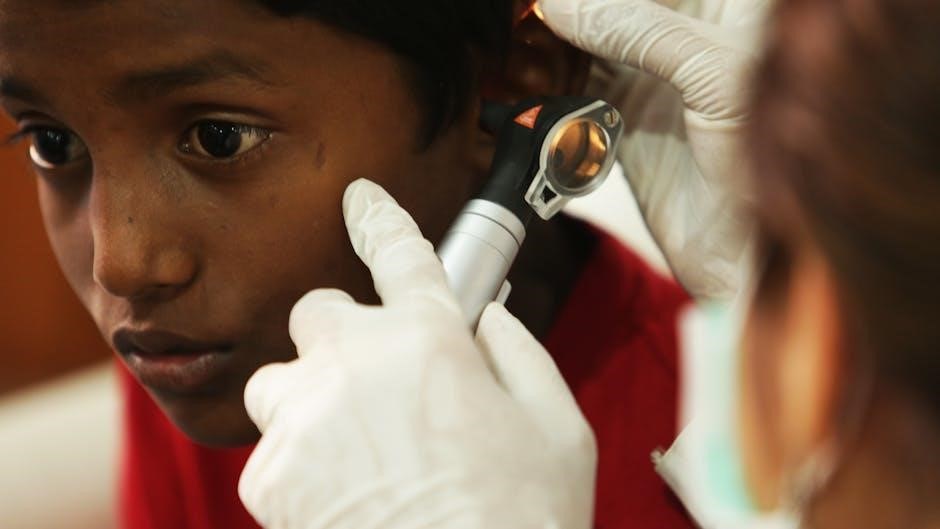
Recent Research and Guidelines (2017-2026)
Studies since 2017, including a 2025 trial, compare warmed versus room temperature saline for irrigation, while updated guidelines (2017, 2026) refine best practices․
Warmed vs․ Room Temperature Saline
Recent research, notably a 2025 study, investigated the efficacy of warmed versus room temperature saline solutions during ear irrigation․ The findings aimed to determine if warming the saline offered any clinical benefit regarding patient comfort or irrigation effectiveness․
While some practitioners believe warmed saline minimizes dizziness, the study’s results provided nuanced data․
Currently, clinical practice guidelines don’t definitively recommend one temperature over the other, suggesting either can be used effectively, prioritizing patient tolerance and safety․
Clinical Practice Guidelines Updates
Updates to cerumen impaction guidelines, initially published in 2017 with a correction in September of the same year, continue to evolve․ These guidelines, stemming from Otolaryngology – Head and Neck Surgery, emphasize a patient-centered approach․
Current recommendations prioritize conservative management, including cerumenolytic agents, before resorting to irrigation․
Practitioners should document a thorough ear exam and assess risks before proceeding, adhering to established protocols for safe and effective earwax removal․
Legal and Regulatory Considerations (EAR)
EAR compliance dictates that procedures involving medical devices, like those used in ear irrigation, must adhere to specific regulations regarding safety and documentation․
EAR Compliance
Export Administration Regulations (EAR) impact medical device components utilized during ear irrigation, even those indirectly involved․ These regulations, established by the US government, govern the export, re-export, and transfer of items – including technology and software – from the United States․
Compliance necessitates careful tracking of equipment origins and destinations, particularly if US-made items are exported․ Documentation must demonstrate adherence to EAR guidelines, ensuring responsible handling of potentially controlled technologies․ Failure to comply can result in significant penalties․
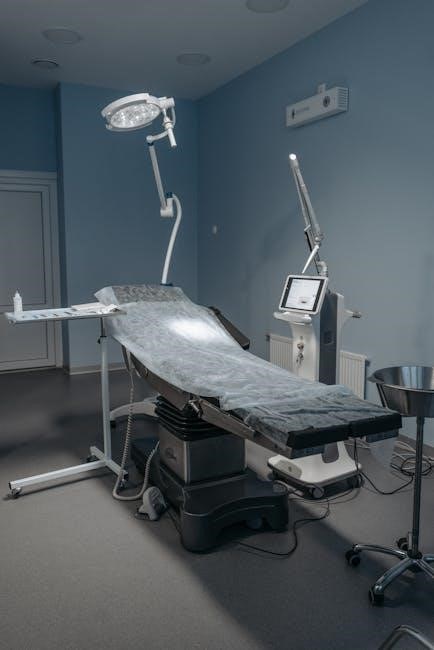
Troubleshooting Common Issues
Ineffective irrigation may require repeating the softening process or adjusting technique․ Patient discomfort can often be alleviated by warming the saline solution adequately․
Irrigation Not Effective
If initial irrigation fails, several factors should be considered․ Ensure adequate cerumen softening occurred with prior ear drop application, advising the patient to lie with drops for 15 minutes․
Re-evaluate the irrigation technique, confirming appropriate pressure and solution temperature – warmed saline is often preferred․
Persistent impaction might indicate a particularly dense wax plug or a narrow ear canal․
In such cases, alternative removal methods, like manual extraction, should be explored, or referral to a specialist considered․
Patient Discomfort During Procedure
Patient discomfort is common during ear irrigation, often manifesting as a feeling of fullness or transient dizziness․ Utilizing a warmed irrigation solution, rather than room temperature, significantly minimizes this sensation․
Instruct patients to breathe deeply and remain still․
If discomfort persists, immediately reduce irrigation pressure or briefly pause the procedure․
Reassure the patient throughout, explaining each step․ Severe pain warrants immediate cessation and further evaluation to rule out complications․

Future Trends in Cerumen Management
Emerging technologies focus on improved cerumen removal, potentially including micro-robotic systems and advanced softening agents, alongside refined irrigation techniques․
New Technologies and Approaches
Innovation in cerumen management is shifting towards less invasive techniques․ Research explores micro-robotic systems for precise wax extraction, minimizing trauma․ Advanced softening agents, potentially enzyme-based, aim to loosen impacted wax more effectively before irrigation․
Furthermore, developments in fluid dynamics could optimize irrigation solutions and delivery methods, enhancing efficacy while reducing patient discomfort․
These approaches, alongside improved visualization tools, promise safer and more comfortable earwax removal procedures․