
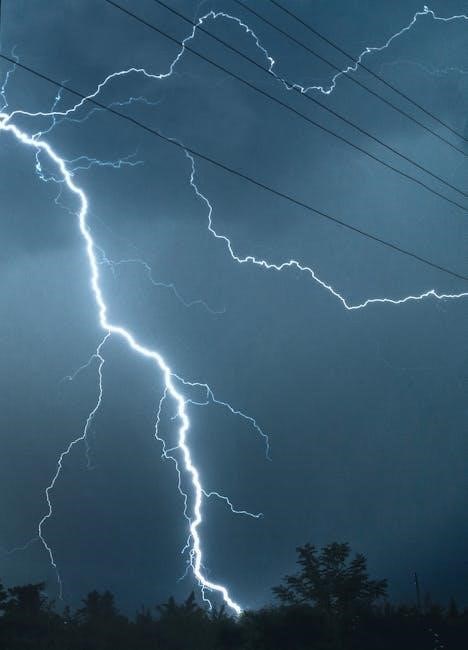
high voltage detox instructions
High Voltage Detox Instructions: A Comprehensive Guide
High-voltage injuries present severe risks, demanding specialized care; train climbing is a concerning trend among adolescents, necessitating prompt treatment.
Stimulation intensity exceeding muscular thresholds poses a significant danger, requiring immediate medical intervention and careful monitoring of physiological responses.
Understanding High Voltage Injuries
High-voltage (HV) injuries differ significantly from burns caused by thermal sources, presenting unique challenges due to the nature of electrical current’s interaction with the human body. Unlike thermal burns, HV injuries often involve deep tissue damage that isn’t immediately apparent on the surface. The current’s path through the body dictates the extent and severity of internal injuries, impacting cardiovascular, neurological, and musculoskeletal systems.
The primary mechanism of injury isn’t solely heat, but rather the conversion of electrical energy into thermal energy within tissues, causing cellular disruption and necrosis. Furthermore, HV exposure can induce cardiac arrhythmias, respiratory arrest, and neurological deficits. A concerning trend, like train climbing among adolescents, dramatically increases the risk of these severe injuries, necessitating heightened awareness and preventative measures.
Understanding that the visible external injuries often underestimate the true extent of internal damage is crucial. The intensity of stimulation, if stronger than muscular thresholds, can lead to prolonged muscle contractions and subsequent rhabdomyolysis, a potentially life-threatening condition. Therefore, a comprehensive assessment and prompt medical intervention are paramount in managing HV injuries effectively.
Initial Assessment & Immediate Actions
Immediate action is critical following high-voltage (HV) exposure. First, ensure the scene is safe – disconnect the power source if possible, but never risk becoming a victim yourself. Once safe, assess the patient’s responsiveness and initiate basic life support (BLS) if needed, including CPR and airway management.
Simultaneously, summon emergency medical services (EMS) and provide a concise report detailing the circumstances of the incident. Rapid transport to a specialized burn center or trauma center is essential. Initial assessment should focus on identifying life-threatening injuries: cardiac arrhythmias, respiratory distress, and significant burns.
Remove any metallic objects that could conduct electricity. Cover burn wounds with sterile, dry dressings. Monitor vital signs continuously – heart rate, blood pressure, respiratory rate, and oxygen saturation. Be vigilant for delayed complications, such as compartment syndrome and rhabdomyolysis, particularly given the risks associated with activities like train climbing. Document all findings meticulously for subsequent medical evaluation and treatment planning.
Recognizing Entry and Exit Wound Characteristics
High-voltage injuries often present with atypical wound characteristics, differing significantly from thermal burns. Entry wounds, where current enters the body, are typically small and may appear as punctate marks, often with a surrounding zone of thermal injury. However, the extent of internal damage can be disproportionately large relative to the external wound size.
Exit wounds, where current leaves the body, are frequently larger and more destructive, exhibiting a stellate or explosive pattern. This is due to the vaporization of tissue and the release of energy. It’s crucial to remember that the absence of obvious external wounds does not exclude significant internal injury.
The path of the current is unpredictable, influenced by tissue resistance and anatomical structures. Look for signs of tissue destruction along potential current pathways. Consider the possibility of internal organ damage, even without visible external signs. Recognizing these unique wound characteristics is vital for accurate assessment and appropriate medical intervention, especially in cases involving risky behaviors like train climbing.
Cardiovascular Effects of High Voltage Exposure
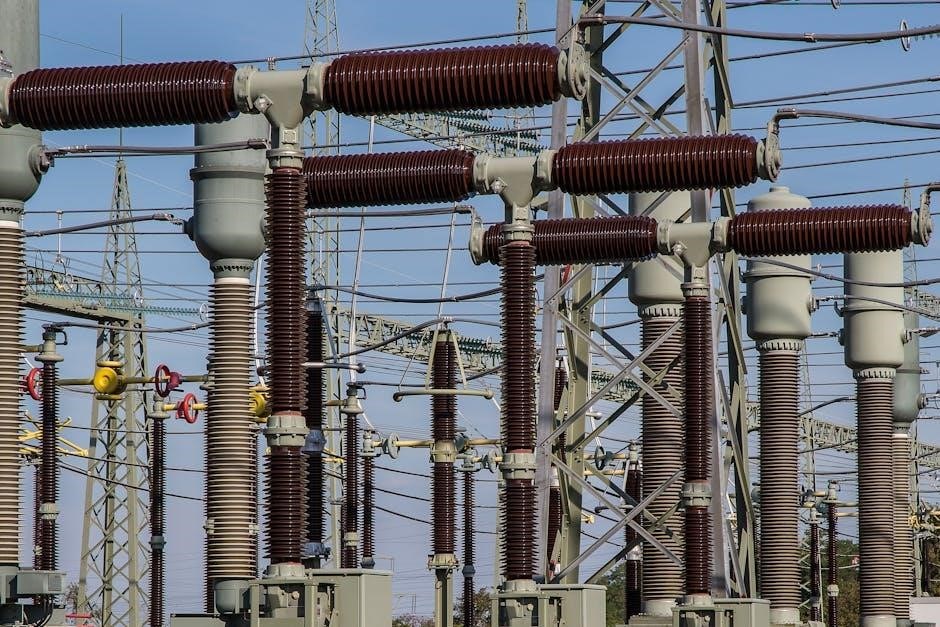
High-voltage electrical injuries frequently induce significant cardiovascular disturbances, often presenting immediately or developing within hours post-exposure. The most common arrhythmia observed is atrial fibrillation, but more life-threatening ventricular arrhythmias, including ventricular tachycardia and fibrillation, are also possible. These arrhythmias stem from direct myocardial damage and disruption of the heart’s electrical conduction system.

Furthermore, high voltage can cause direct cardiac muscle contraction, leading to prolonged repolarization and increased susceptibility to arrhythmias. Hypotension is also common, resulting from a combination of myocardial dysfunction, vasodilation, and potential fluid shifts.
Continuous cardiac monitoring is paramount, with ECGs performed frequently to detect and manage arrhythmias. Prompt intervention, including antiarrhythmic medications and potentially temporary pacing, may be necessary. Recognizing the potential for delayed cardiac complications is crucial, particularly in cases linked to risky behaviors, demanding vigilant observation and proactive management.
Neurological Complications & Symptoms
High-voltage electrical injuries can induce a wide spectrum of neurological complications, ranging from transient symptoms like headache and confusion to severe and lasting deficits. The severity depends on the voltage, current pathway, and duration of exposure. Peripheral neuropathy, characterized by numbness, tingling, and weakness in the extremities, is frequently observed due to nerve damage.
Central nervous system effects can include seizures, cognitive impairment, and personality changes. Delayed neurological sequelae, such as post-traumatic stress disorder and chronic pain syndromes, are also common. The mechanism of injury involves both direct thermal damage to neural tissue and indirect effects from systemic complications.
Comprehensive neurological assessment, including cranial nerve examination, motor and sensory testing, and cognitive evaluation, is essential. Neuroimaging, such as MRI or CT scans, may be necessary to identify structural damage. Early intervention and rehabilitation are crucial to maximize functional recovery and address long-term neurological deficits.
Musculoskeletal Damage: Fractures & Compartment Syndrome
High-voltage electrical injuries frequently result in significant musculoskeletal damage, often exceeding what’s expected based on external appearance. Violent muscle contractions induced by the electrical current can cause fractures, dislocations, and soft tissue injuries. These fractures are often comminuted and may be difficult to diagnose initially due to overlying burns or swelling.
Compartment syndrome, a critical condition where increased pressure within a muscle compartment compromises blood flow, is a major concern. Symptoms include severe pain, pallor, pulselessness, paresthesia, and paralysis. Prompt recognition and treatment – typically a fasciotomy to relieve pressure – are vital to prevent irreversible muscle and nerve damage.
Thorough musculoskeletal evaluation, including radiographic imaging and clinical assessment for compartment syndrome, is crucial. Early surgical intervention may be necessary to stabilize fractures, debride damaged tissue, and prevent long-term disability. Rehabilitation plays a key role in restoring function and minimizing complications.
Burn Management: Classification & Treatment

High-voltage burns differ significantly from thermal burns; often exhibiting deceptively small external injuries masking extensive deep tissue damage. Burn classification, typically using a first, second, or third-degree system, is complicated by the unpredictable nature of electrical current pathways.
Initial burn management focuses on assessing the extent and depth of injury, alongside stabilizing vital signs. Wound care involves meticulous debridement of necrotic tissue to prevent infection and promote healing. Silver sulfadiazine or other topical antimicrobial agents are commonly used.
Escharotomies may be necessary to relieve circumferential burns causing constriction and compromising circulation. Skin grafting or reconstructive surgery are frequently required for larger or deeper burns. Early and aggressive fluid resuscitation is paramount, given the systemic effects of electrical injury.
Pain management is also critical, utilizing analgesics appropriate for the burn’s severity. Long-term follow-up is essential to monitor for scar contractures and functional limitations, necessitating ongoing rehabilitation.
Fluid Resuscitation Protocols
High-voltage electrical injuries induce significant systemic effects, demanding aggressive fluid resuscitation to counteract hypovolemia and maintain organ perfusion. Unlike thermal burns, electrical injuries often cause widespread capillary leakage due to endothelial damage, necessitating larger fluid volumes.
The Parkland formula, a commonly used guideline, may underestimate fluid requirements in these cases. Initial resuscitation typically involves crystalloid solutions, such as Lactated Ringer’s, administered at a higher rate than with traditional burn protocols. Monitoring urine output is crucial – aiming for 0.5-1 ml/kg/hr is a key indicator of adequate resuscitation.
Central venous pressure (CVP) monitoring can help guide fluid administration, preventing both hypovolemia and fluid overload. Consideration should be given to the patient’s age, comorbidities, and the extent of electrical injury when determining fluid rates.
Colloid solutions may be added later to sustain intravascular volume. Frequent reassessment of vital signs, electrolytes, and acid-base balance is essential throughout the resuscitation phase.
Monitoring for Delayed Complications
High-voltage electrical injuries are notorious for delayed complications, necessitating prolonged and vigilant monitoring even after initial stabilization. While immediate concerns like cardiac arrhythmias are addressed, subtle injuries can manifest days or weeks later.
Neurological deficits, including peripheral neuropathy and cognitive impairment, require serial examinations and potentially neuroimaging. Compartment syndrome, a limb-threatening condition, must be actively ruled out through frequent assessment of muscle compartment pressures, particularly in extremities.
Renal function should be closely monitored for rhabdomyolysis-induced acute kidney injury. Creatine kinase (CK) levels will often be markedly elevated and require serial measurements to track the progression and resolution of muscle damage.
Psychological sequelae, such as post-traumatic stress disorder (PTSD), are common and warrant screening and referral to mental health professionals. Long-term follow-up with a multidisciplinary team is crucial to identify and manage these delayed effects effectively.
Rhabdomyolysis and Kidney Function
High-voltage injuries frequently induce rhabdomyolysis, the breakdown of muscle tissue releasing intracellular contents into the circulation. This poses a significant threat to kidney function, as myoglobin, a muscle protein, can precipitate in the renal tubules, causing acute kidney injury (AKI).
Aggressive intravenous fluid resuscitation is paramount to dilute myoglobin and promote its excretion. Maintaining a high urine output is critical, often requiring forced diuresis with medications. Serial monitoring of serum creatine kinase (CK) levels is essential to assess the extent of muscle damage and guide treatment.
Electrolyte imbalances, particularly hyperkalemia, hypocalcemia, and hypophosphatemia, are common consequences of rhabdomyolysis and require diligent correction. Renal function should be assessed frequently via blood urea nitrogen (BUN) and creatinine measurements.
In severe cases, continuous renal replacement therapy (CRRT) may be necessary to support kidney function and remove myoglobin. Early recognition and proactive management are vital to prevent long-term renal sequelae.

The Role of Hyperbaric Oxygen Therapy
Hyperbaric oxygen therapy (HBOT) is increasingly considered as an adjunct treatment for select high-voltage injury cases, though its role remains debated and isn’t universally accepted. The underlying principle involves increasing oxygen delivery to tissues, potentially mitigating hypoxic damage caused by the electrical current.

HBOT may be particularly beneficial in cases with significant soft tissue injury, compartment syndrome, or delayed wound healing. Increased oxygenation can enhance angiogenesis, promoting tissue repair and reducing the risk of infection. It can also help reduce edema and inflammation.

However, HBOT is not without risks, including barotrauma and oxygen toxicity. Careful patient selection is crucial, excluding individuals with certain contraindications like pneumothorax or unstable cardiovascular conditions.
The optimal HBOT protocol – including pressure, duration, and frequency of sessions – is still under investigation. It’s generally administered in conjunction with standard wound care and supportive measures, not as a standalone therapy.
Surgical Interventions: Debridement & Reconstruction
Surgical intervention is often crucial in managing high-voltage injuries, primarily focusing on thorough debridement of devitalized tissue. Electrical currents cause extensive internal damage, often disproportionate to external burn appearance, necessitating aggressive removal of non-viable muscle, skin, and subcutaneous tissues.
Debridement aims to prevent infection and create a healthy wound bed for subsequent reconstruction. Serial debridements may be required to assess the full extent of the damage as tissue necrosis evolves. Fasciotomy is frequently performed to relieve compartment syndrome, a common complication.
Reconstructive options vary based on the injury’s severity and location. Skin grafting, muscle flaps, and even free tissue transfer may be employed to cover exposed tissues and restore function. Amputation may become necessary in cases of irreparable damage or uncontrolled infection.
Early surgical consultation is vital, and a multidisciplinary approach involving plastic surgeons, vascular surgeons, and orthopedic surgeons is often essential for optimal outcomes. Careful wound management and postoperative care are paramount.
Psychological Impact & Support
High-voltage injuries inflict profound psychological trauma, extending far beyond the physical wounds. Survivors often experience post-traumatic stress disorder (PTSD), anxiety, depression, and significant emotional distress. The suddenness and severity of the event, coupled with disfiguring injuries and functional limitations, contribute to these challenges.
Feelings of guilt, shame, and fear are common, particularly if the injury resulted from risky behavior, such as train climbing. Nightmares, flashbacks, and avoidance behaviors can significantly impair daily life. Body image concerns are also prevalent, especially with extensive scarring or amputation.
Comprehensive psychological support is crucial, beginning in the acute phase of care. This includes individual therapy, group therapy, and family counseling. Cognitive behavioral therapy (CBT) and eye movement desensitization and reprocessing (EMDR) are often effective treatments for PTSD.
Long-term support networks and peer support groups can provide ongoing encouragement and facilitate coping mechanisms. Addressing the psychological impact is integral to the overall recovery process.
Long-Term Rehabilitation Strategies
High-voltage injury rehabilitation is a protracted process demanding a multidisciplinary approach. Initial focus centers on restoring physical function through intensive physiotherapy and occupational therapy. This includes range-of-motion exercises, strengthening programs, and adaptive equipment training to maximize independence.
Addressing musculoskeletal damage, such as fractures and compartment syndrome, requires prolonged rehabilitation. Scar management techniques, including massage and pressure garments, are vital to minimize contractures and improve cosmetic outcomes. Nerve regeneration can be slow, necessitating ongoing neurorehabilitation.
Psychological support remains crucial, addressing PTSD, anxiety, and depression. Vocational rehabilitation assists survivors in returning to work or pursuing alternative career paths. Peer support groups offer invaluable emotional support and shared experiences.
Regular medical follow-up is essential to monitor for delayed complications, such as cataracts or neurological deficits. Long-term rehabilitation aims to optimize physical, psychological, and social well-being, enabling survivors to lead fulfilling lives despite their injuries.
Preventative Measures & Safety Education
High-voltage safety education is paramount, targeting at-risk populations, particularly adolescents engaging in dangerous behaviors like train climbing – a newly resurfaced, old trend. Public awareness campaigns should emphasize the severe, potentially fatal consequences of contacting high-voltage sources.

Educational programs for electrical workers must reinforce safe work practices, including lockout/tagout procedures and the proper use of personal protective equipment (PPE). Clear signage and barriers should be implemented around electrical infrastructure to deter unauthorized access.
Community outreach initiatives can educate the public about the dangers of downed power lines and the importance of maintaining safe distances. Schools should incorporate electrical safety into their curriculum, teaching children about the risks and how to avoid them.
Promoting a culture of safety, where reporting potential hazards is encouraged, is crucial. Continuous training and refresher courses for professionals working with electricity are essential to maintain competency and prevent accidents.
Legal Considerations & Reporting
Incidents involving high-voltage exposure often trigger legal scrutiny, demanding meticulous documentation and adherence to reporting protocols. Employers have a legal obligation to provide a safe working environment, and failures to do so can result in significant liabilities, particularly concerning train-related incidents and adolescent risk-taking.
Detailed incident reports are crucial, encompassing the circumstances of the exposure, the extent of injuries, and the immediate actions taken. These reports may be required by regulatory bodies like OSHA or state-level safety agencies.
Legal counsel should be consulted to navigate potential litigation and ensure compliance with relevant laws. Reporting requirements vary by jurisdiction, necessitating a thorough understanding of local regulations.
Furthermore, incidents involving minors, such as those related to train climbing, may necessitate reporting to child protective services. Maintaining a clear chain of custody for evidence and preserving all documentation are vital for legal defense and investigation purposes. Accurate record-keeping is paramount.